As a trusted Isuzu glow plug supplier, I've spent years delving into the intricacies of these critical engine components. Glow plugs play a fundamental role in diesel engines, especially in the ignition process during cold starts. Given their importance, many customers often inquire about ways to enhance their performance. One question that frequently arises is whether there are any additives that can improve Isuzu glow plug performance. In this blog post, we'll explore this topic in depth, drawing on scientific knowledge and practical experience.
Understanding the Function of Isuzu Glow Plugs
Before diving into additives, it's essential to understand how Isuzu glow plugs work. In a diesel engine, ignition occurs through the compression of air, which raises the temperature within the combustion chamber. However, during cold starts, the air may not reach the necessary temperature for proper ignition. This is where glow plugs come in. They heat up rapidly, providing the extra heat needed to ignite the diesel fuel - air mixture.
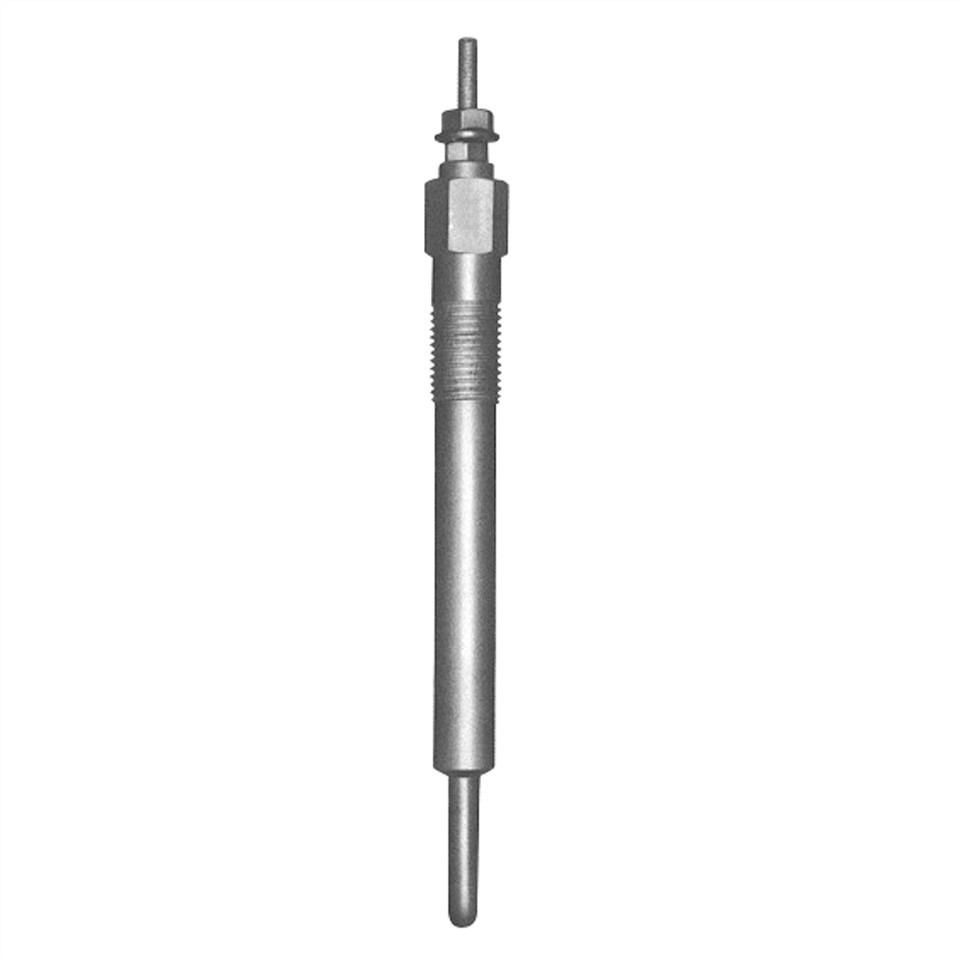
Isuzu glow plugs are designed and engineered to meet the specific requirements of Isuzu engines. They are made from high - quality materials to withstand the extreme conditions within the combustion chamber, such as high temperatures and pressures. For example, some of our popular products like the Glow Plug for Isuzu 5 - 81410040 - 0 Pi - 45 89mm 9v, Glow Plug for Isuzu 8 - 94140115 - 2 Pi - 170 141mm, and Glow Plug for Isuzu 8 - 97326046 - 0 Pi - 175 151mm are crafted to deliver reliable performance in various Isuzu engines.
Types of Additives and Their Potential Impact on Glow Plugs
1. Fuel Additives
Fuel additives are substances added to diesel fuel to improve its performance. Some common types of fuel additives include cetane improvers, detergents, and lubricity enhancers.
- Cetane Improvers: Cetane number is a measure of a diesel fuel's ignition quality. Fuels with a higher cetane number ignite more easily. Adding a cetane improver to the diesel fuel can potentially reduce the strain on the glow plugs. When the fuel ignites more readily, the glow plugs don't need to work as hard during the startup process. However, it's important to use cetane improvers in the correct concentration. Excessive use can lead to incomplete combustion, which may cause issues in the engine over time.
- Detergents: Diesel fuel can contain contaminants that may deposit on the glow plugs, reducing their efficiency. Detergent additives help keep the fuel system clean, including the glow plugs. By preventing the build - up of deposits, detergents can ensure that the glow plugs maintain their optimal heating performance. They work by dissolving and removing carbon deposits and other contaminants that may accumulate on the surface of the glow plug tip.
- Lubricity Enhancers: Diesel engines rely on the lubricity of the fuel to protect moving parts. Some modern diesel fuels, especially those with low sulfur content, may have reduced lubricity. Lubricity enhancers can improve the lubricating properties of the fuel. While this may not have a direct effect on the glow plug's heating performance, it can help maintain the overall health of the engine, which in turn can contribute to the proper functioning of the glow plugs.
2. Engine Oil Additives
Engine oil additives are designed to improve the performance and longevity of the engine oil. Although engine oil does not directly come into contact with the glow plugs, its performance can indirectly affect the glow plug's operation.
- Anti - Wear Additives: These additives form a protective film on the engine's moving parts, reducing wear and tear. A well - maintained engine is less likely to have issues that could affect the glow plugs. For example, if the pistons and cylinders are worn, it can lead to poor compression, which in turn can put more stress on the glow plugs during startup.
- Oxidation Inhibitors: Engine oil can oxidize over time, especially under high - temperature conditions. Oxidation can lead to the formation of sludge and varnish, which can clog engine components. By using oxidation inhibitors, the engine oil can remain clean and perform its functions effectively. This can help ensure that the engine operates smoothly, and the glow plugs are not affected by engine - related problems.
Scientific Considerations When Using Additives
When considering using additives to improve Isuzu glow plug performance, it's crucial to take into account several scientific factors.
Compatibility
Not all additives are compatible with Isuzu engines or the materials used in Isuzu glow plugs. Some additives may react with the metals or coatings on the glow plugs, causing corrosion or other damage. It's essential to choose additives that are specifically formulated for use in Isuzu engines. Always refer to the manufacturer's recommendations and consult with experts if you're unsure about the compatibility of an additive.
Dosage
The correct dosage of additives is also critical. Using too little of an additive may not achieve the desired results, while using too much can cause problems. For example, as mentioned earlier, excessive use of cetane improvers can lead to incomplete combustion. Follow the instructions provided by the additive manufacturer carefully to ensure optimal performance and avoid any potential negative effects.

Testing and Validation
Before using an additive on a large scale, it's a good idea to conduct some testing. This can involve using the additive in a single engine or a small fleet of vehicles and monitoring the performance of the glow plugs over time. Look for signs of improved startup times, reduced misfires, and overall better engine performance. If possible, use diagnostic tools to measure the temperature and performance of the glow plugs before and after using the additive.
Real - World Experience and Case Studies
In my experience as an Isuzu glow plug supplier, I've seen customers who have had success with using certain additives. For instance, a customer with a fleet of Isuzu trucks was experiencing cold - start issues. After using a high - quality cetane improver and a detergent additive in their diesel fuel, they noticed a significant improvement in the startup performance of their vehicles. The glow plugs seemed to last longer, and the engines ran more smoothly.
However, it's important to note that results can vary depending on several factors, such as the age and condition of the engine, the type of fuel used, and the climate. In some cases, using additives may not provide a noticeable improvement in glow plug performance, especially if the glow plugs are already worn or damaged.
Conclusion and Call to Action
In conclusion, while there are additives that have the potential to improve Isuzu glow plug performance, their effectiveness depends on various factors. Fuel additives such as cetane improvers, detergents, and lubricity enhancers, as well as engine oil additives like anti - wear and oxidation inhibitors, can play a role in enhancing the overall performance of the engine and, indirectly, the glow plugs. However, it's essential to choose the right additives, use them in the correct dosage, and ensure compatibility with the Isuzu engine.
If you're interested in learning more about Isuzu glow plugs or exploring the use of additives to improve their performance, I encourage you to reach out for a detailed discussion. Our team of experts is always ready to assist with any questions you may have and provide the best solutions for your specific needs. Whether you're a small business owner with a single Isuzu vehicle or a large fleet operator, we have the expertise and products to support you. Let's start a conversation and find the optimal setup for your Isuzu engines.
References
- "Diesel Engine Fundamentals" by John Heywood.
- Manufacturer's manuals for Isuzu engines.
- Technical literature on fuel and engine oil additives.