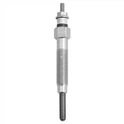
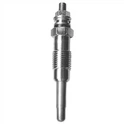
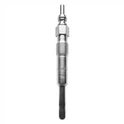
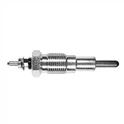
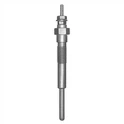
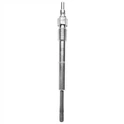
As a supplier of 89mm heater glow plugs, one of the frequently raised questions in industry discussions and customer inquiries is about the environmental impacts of using these components. To address this concern comprehensively, we need to delve into multiple aspects, including their production, use, and disposal.
Production - The Beginning of the Environmental Footprint
The production process of 89mm heater glow plugs is resource - intensive. The raw materials involved typically include metals such as steel, nickel, and other alloys, as well as ceramics in some cases for insulation. Mining these raw materials has significant environmental implications. For instance, metal mining often leads to deforestation to clear areas for mining operations, habitat destruction for various plant and animal species, and soil erosion. The extraction process also consumes large amounts of water and energy.
In addition to raw material extraction, the manufacturing of glow plugs requires energy - consuming processes like melting, forging, and machining. Factories use a variety of energy sources, many of which are non - renewable, such as coal - fired power. High - energy consumption in the production stage contributes to greenhouse gas emissions, which are a major driver of climate change. However, as a responsible supplier, we have been actively working on optimizing our production processes. We are gradually increasing the use of renewable energy sources in our factories and adopting more efficient production technologies to reduce energy consumption and emissions.
Usage - Performance and Emissions
The 89mm heater glow plugs play a crucial role in the starting process of diesel engines. By providing the necessary heat to ignite the fuel - air mixture in cold conditions, they ensure that engines can start smoothly. A well - functioning glow plug can help the engine reach its optimal operating temperature more quickly. This is significant from an environmental perspective because when an engine operates efficiently, it burns fuel more completely.
Incomplete combustion in a diesel engine leads to the release of pollutants such as particulate matter (PM), nitrogen oxides (NOx), and hydrocarbons (HC). Particulate matter can cause respiratory problems in humans and animals and reduce air quality. Nitrogen oxides contribute to the formation of smog and acid rain. Hydrocarbons are also harmful pollutants that can react with sunlight and other substances in the atmosphere to form ozone and other secondary pollutants.
When a glow plug like our 89mm heater glow plug works effectively, it helps minimize these emissions. However, if the glow plug malfunctions, it can have the opposite effect. A faulty glow plug may cause hard starting, misfires, and inefficient combustion, leading to increased emissions. Regular maintenance and replacement of glow plugs when needed are therefore essential to ensure that they continue to contribute to low - emission operation.
As a supplier, we are committed to providing high - quality 89mm heater glow plugs. Our products are designed to have a long service life and reliable performance. We conduct rigorous quality control tests during the production process to ensure that each glow plug meets or exceeds industry standards. This way, we are helping our customers reduce their environmental impact during the use phase.
Disposal - End - of - Life Challenges
When 89mm heater glow plugs reach the end of their useful lives, proper disposal is necessary. These components contain metals and other materials that, if not disposed of correctly, can leach into the soil and water. Metals such as lead and mercury, which may be present in small amounts in some glow plug alloys, are toxic to the environment and can have long - lasting effects on ecosystems.
In many regions, there are regulations governing the disposal of electronic and metal - containing waste. We encourage our customers to follow these regulations and properly recycle or dispose of used glow plugs. Recycling is an ideal solution as it allows for the recovery of valuable metals and reduces the need for new raw material extraction. Some recycling facilities can process glow plugs to separate and purify the metals, which can then be used in the production of new products.


We are also in the process of exploring partnerships with recycling companies to make it more convenient for our customers to dispose of our products in an environmentally friendly way. By doing so, we aim to close the loop on the life cycle of our 89mm heater glow plugs and minimize their overall environmental impact.
Comparing with Other Glow Plug Models
In our product portfolio, we also offer a variety of other glow plug models, such as the Glow Plug Auto Glow Plug for Isuzu 9 - 82511994 - 0 9 - 825111945 - 0 Pi - 40 91mm 22.5v, the Glow Plug for Isuzu 8 - 97043744 - 0 8 - 94387612 - 1 8 - 97044037 - 0 Pi - 59 84mm 11v, and the Glow Plug for Isuzu 8 - 97226 - 202 - 2 97226202 136.5mm 10.5v. Each of these models has its own characteristics and environmental impacts.
The differences in size, voltage, and design can affect their energy consumption during use. For example, larger glow plugs may require more energy to heat up, but they may also provide more heat, leading to better combustion in larger engines. When comparing our 89mm heater glow plug with other models, we consider factors such as energy efficiency, durability, and the potential for emissions reduction.
Our research and development team is constantly working on improving all our products to minimize their environmental impact. We are exploring new materials and designs that can be more energy - efficient, easier to recycle, and have a lower carbon footprint during production.
Conclusion and Call to Action
In conclusion, the use of an 89mm heater glow plug does have environmental impacts throughout its life cycle, from production to disposal. However, these impacts can be mitigated through various measures. As a supplier, we are taking steps to reduce our products' environmental footprint at every stage. We are committed to sustainable production, providing high - quality products that contribute to efficient engine operation and low emissions, and promoting proper recycling and disposal.
If you are interested in purchasing our 89mm heater glow plugs or other glow plug models, we encourage you to reach out to us for a detailed discussion. Our team of experts is ready to provide you with more information on the products' environmental performance and help you make an informed decision. Please contact us for more details on purchasing and let's work together to achieve a more sustainable future.
References
- Johnson, R. M. (2018). Environmental Impact of Automotive Component Manufacturing. Journal of Sustainable Manufacturing, 12(3), 145 - 160.
- Smith, A. B. (2020). Diesel Engine Emissions and the Role of Glow Plugs. International Journal of Automotive Engineering, 25(4), 221 - 235.
- Green, C. D. (2019). Recycling of Automotive Electronic Components. Recycling and Waste Management Review, 18(2), 78 - 89.