In cold climates, starting an engine can be a daunting challenge. One crucial component that plays a significant role in facilitating engine start - up during frigid conditions is the heat glow plug. As a heat glow plug supplier, I have in - depth knowledge of how these amazing devices operate and the benefits they bring.
Understanding the Basic Principle of Heat Glow Plugs
A heat glow plug is an electrical device installed in the combustion chambers of diesel engines. Unlike gasoline engines that use spark plugs to ignite the air - fuel mixture, diesel engines rely on the heat generated by compression to ignite the fuel. However, in cold weather, the air in the combustion chamber may not reach a high enough temperature through compression alone to ignite the diesel fuel properly.
Heat glow plugs work on the principle of resistive heating. They are essentially long, thin metal rods with a heating element inside. When an electrical current is passed through the heating element, due to the electrical resistance of the element, heat is generated according to Joule's Law ($Q = I^{2}Rt$, where $Q$ is the heat generated, $I$ is the current, $R$ is the resistance, and $t$ is the time).
The Operation process in Cold Climates
In cold climates, when you turn the ignition key, the engine control unit (ECU) first sends an electrical current to the glow plugs. A pre - heating phase ensues, during which the glow plugs start to heat up rapidly. The pre - heating time can vary depending on the outside temperature. In extremely cold conditions, the pre - heating phase may last longer, sometimes up to a minute or more, to ensure that the glow plugs reach a high enough temperature.
Once the glow plugs are sufficiently heated, they radiate a significant amount of heat into the combustion chamber. When the engine's pistons compress the air in the combustion chamber, the already - heated glow plugs help to further raise the temperature of the air. As the diesel fuel is injected into the hot, compressed air, it vaporizes and ignites more easily, enabling a smooth start of the engine.
The Importance of Heat Glow Plugs in Cold Climates
Cold weather has a profound impact on diesel engines. Diesel fuel becomes more viscous in cold temperatures, which makes it harder to atomize properly during injection. Also, the cold air in the combustion chamber is denser and harder to heat up by compression alone. Without functioning glow plugs, starting a diesel engine in cold climates could be virtually impossible, and even if the engine does manage to start, it may experience rough idling, misfires, and increased emissions.

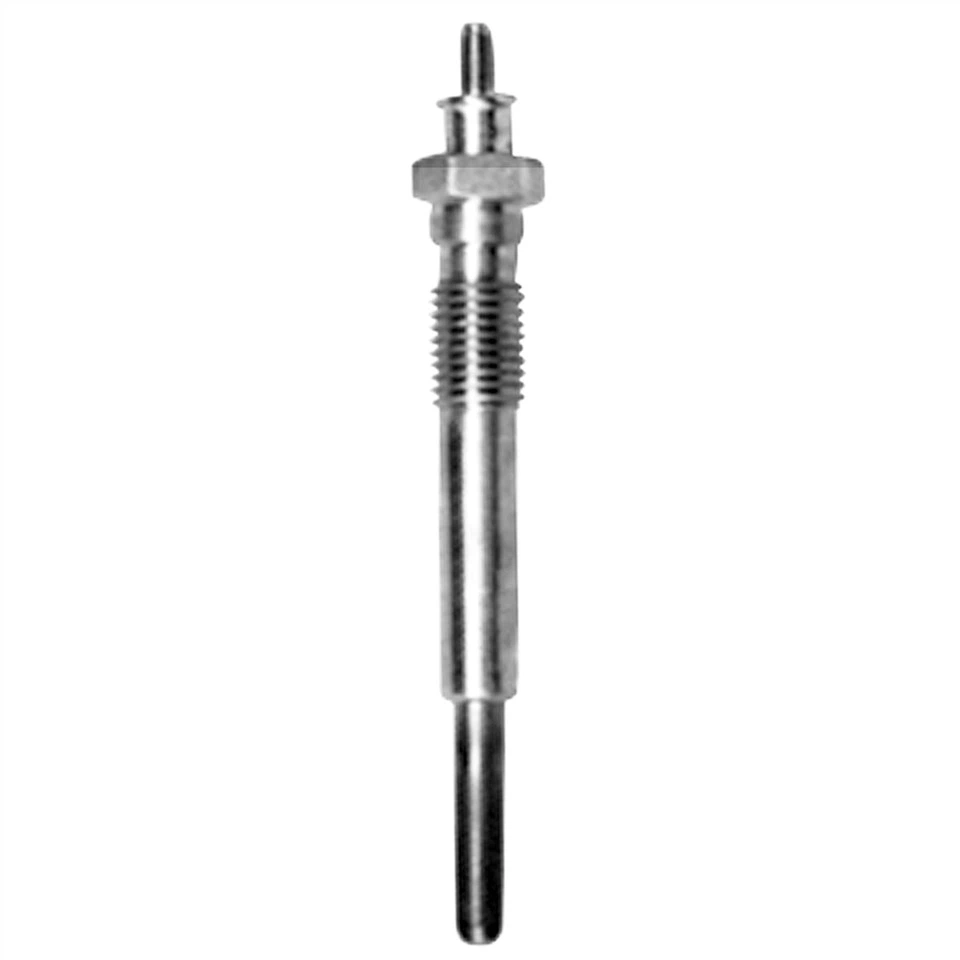
Heat glow plugs improve the cold - start performance of diesel engines, ensuring that they start quickly and smoothly even in sub - zero temperatures. They also reduce wear and tear on the engine components during the starting process, as a proper ignition helps to avoid the excessive cranking that can damage the starter motor and other parts.
Different Types of Heat Glow Plugs and Their Suitability for Cold Climates
There are several types of heat glow plugs available in the market, each with its unique characteristics.
1. Standard Glow Plugs
These are the most commonly used glow plugs. They are relatively simple in design and are suitable for a wide range of diesel engines. In cold climates, they can provide sufficient heat for a reliable start as long as the engine is not extremely cold. For example, in moderately cold areas where temperatures rarely drop below - 10°C, standard glow plugs can work effectively.
2. Rapid - Heat Glow Plugs
As the name suggests, rapid - heat glow plugs can reach high temperatures very quickly. They are designed with advanced heating elements that can heat up faster and to higher temperatures compared to standard glow plugs. In extremely cold climates where temperatures can drop to - 30°C or lower, rapid - heat glow plugs are the preferred choice. They can significantly reduce the pre - heating time, allowing the engine to start more promptly.
Our Product Offerings
As a heat glow plug supplier, we offer a wide variety of high - quality glow plugs suitable for different engine makes and models, especially for use in cold climates.
One of our popular products is the Glow Plug for Bosch Pa - 301 Gv835 0250202122 77mm 11v. This glow plug is specifically designed for Bosch engines and is engineered to provide excellent performance in cold weather. It has a high - quality heating element that can reach the required temperature quickly, ensuring a smooth start for your engine.
Another great option in our product line is the Glow Plug for Kubota I.h.i Ps202 15521 - 6551 - 2 75mm 10.5v. Kubota engines are widely used in various applications, including agricultural and construction equipment. Our glow plug for Kubota engines is designed to withstand the rigors of cold climates and frequent use, providing reliable ignition even in the harshest conditions.
We also supply the Glow Plug for Ikomatsu Caterpillar Pk - 96 6110 - 13 - 2511 100mm 22.5v. This glow plug is suitable for Ikomatsu and Caterpillar engines, which are often used in heavy - duty machinery. In cold climates, these engines need a reliable glow plug to start the combustion process efficiently, and our product meets that requirement with its robust design and high - performance heating element.
Maintenance of Heat Glow Plugs in Cold Climates
Proper maintenance of heat glow plugs is crucial to ensure their long - term performance, especially in cold climates. One of the main issues with glow plugs is carbon fouling. When diesel engines run, carbon deposits can accumulate on the surface of the glow plugs, reducing their heating efficiency.
To prevent carbon fouling, it is important to use high - quality diesel fuel. Low - quality fuel may contain more impurities that contribute to carbon buildup. Regularly inspecting the glow plugs for signs of damage or wear is also essential. If a glow plug is found to be cracked or has a damaged heating element, it should be replaced immediately.
Another aspect of maintenance is to check the electrical connections of the glow plugs. In cold weather, the electrical components can be more prone to corrosion. Loose or corroded connections can lead to insufficient power supply to the glow plugs, resulting in poor starting performance. Make sure to clean the connections regularly and ensure they are tightly secured.
Industry Trends in Heat Glow Plugs for Cold Climates
The automotive and machinery industries are constantly evolving, and so are the heat glow plugs. Manufacturers are continuously researching and developing new technologies to improve the performance of glow plugs in cold climates.
One trend is the use of more advanced materials for the heating elements. New materials with higher electrical conductivity and better heat - resistant properties can enable glow plugs to heat up faster and last longer. Another development is the integration of smart technology. Some modern glow plugs are equipped with sensors that can communicate with the engine control unit. The ECU can then adjust the pre - heating time and current based on the real - time temperature and engine conditions, further optimizing the cold - start process.
Contact Us for Your Heat Glow Plug Needs
If you are in the market for high - quality heat glow plugs, especially for use in cold climates, we are here to help. Our team of experts can assist you in choosing the right glow plug for your specific engine make and model. We are committed to providing the best products and services to ensure that your engines start smoothly even in the coldest of temperatures. Whether you are an individual vehicle owner or a large - scale equipment operator, we have the solutions for you.
References
- Heywood, J. B. (1988). Internal Combustion Engine Fundamentals. McGraw - Hill.
- Stone, R. (2012). Introduction to Internal Combustion Engines. SAE International.