Cold weather can have a significant impact on Hyundai glow plugs, and as a dedicated Hyundai Glow Plugs supplier, I'm well - versed in understanding these effects. In this blog, we'll explore how cold temperatures interact with Hyundai glow plugs, the challenges they face, and how to address them.
The Function of Glow Plugs in Hyundai Engines
Before delving into the impact of cold weather, it's essential to understand the role of glow plugs in Hyundai diesel engines. Glow plugs are heating devices installed in the combustion chambers of diesel engines. Diesel engines rely on compression ignition, where air is compressed to a high temperature, and then fuel is injected. In cold conditions, the air in the combustion chamber may not reach a high - enough temperature for efficient ignition of the diesel fuel. Glow plugs heat up the air in the combustion chamber, providing the necessary additional heat to ensure smooth ignition of the diesel fuel.
How Cold Weather Affects Hyundai Glow Plugs
Increased Electrical Resistance
One of the primary effects of cold weather on Hyundai glow plugs is an increase in electrical resistance. As the temperature drops, the resistance of the electrical components in the glow plug increases. According to Ohm's law (V = IR, where V is voltage, I is current, and R is resistance), for a constant voltage supply, an increase in resistance leads to a decrease in current. This reduced current flow means that the glow plug may not reach its optimal operating temperature as quickly as it would in warmer conditions.
For example, in a Hyundai engine with glow plugs designed to reach a specific temperature within a few seconds, cold weather can extend this warm - up time. This delay in reaching the required temperature can make it more difficult for the diesel fuel to ignite, resulting in hard starting or even misfires.
Longer Warm - Up Times
In cold weather, Hyundai glow plugs need more time to heat up the air in the combustion chamber to a temperature suitable for ignition. The glow plug control module, which regulates the operation of the glow plugs, may extend the pre - glow time. This is because the colder the air in the combustion chamber, the more heat is required to raise its temperature to the ignition point of diesel fuel.
For instance, in normal conditions, the pre - glow time for a Hyundai diesel engine might be around 3 - 5 seconds. However, in extremely cold weather, this time can increase to 10 - 15 seconds or even longer. During this extended warm - up period, the engine may crank for a longer time before starting, and there may be white smoke from the exhaust as unburned fuel is expelled.
Increased Wear and Tear
Cold starts place additional stress on Hyundai glow plugs. When the engine is cold, the fuel may not atomize as well, and there is a higher likelihood of fuel pooling in the combustion chamber. This can cause the glow plugs to come into contact with liquid fuel, which can lead to fouling. Fouled glow plugs have a reduced ability to heat up, further exacerbating the starting problems.
Moreover, the repeated cycles of rapid heating and cooling during cold starts can cause thermal stress on the glow plug elements. Over time, this thermal stress can lead to cracking or breakage of the glow plug elements, reducing their lifespan.
Solutions to Cold - Weather Glow Plug Issues
Using High - Quality Glow Plugs
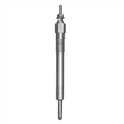
Investing in high - quality Hyundai glow plugs can mitigate the effects of cold weather. High - quality glow plugs are designed to have better resistance to temperature changes and can reach their operating temperature more quickly. For example, Glow Plug for Hyundai Y508 153.5mm is engineered with advanced materials and manufacturing techniques. These glow plugs can withstand the increased electrical resistance in cold weather and heat up more efficiently, reducing starting problems.


Regular Maintenance
Regular maintenance of Hyundai glow plugs is crucial, especially in cold - weather regions. This includes checking the glow plug system for proper electrical connections, ensuring that the glow plug control module is functioning correctly, and inspecting the glow plugs for signs of fouling or damage.
For example, if a Hyundai vehicle is used in an area with cold winters, it's advisable to have the glow plugs inspected and tested at least once a year. If any glow plugs are found to be faulty, they should be replaced promptly. Using a high - quality diesel fuel additive can also help prevent fouling of the glow plugs.
Engine Block Heaters
In extremely cold climates, using an engine block heater can significantly reduce the stress on Hyundai glow plugs. An engine block heater warms up the engine coolant, which in turn warms up the engine components, including the air in the combustion chambers. This means that the glow plugs don't have to work as hard to heat up the air for ignition.
For instance, if the engine block is pre - heated to a temperature above freezing, the glow plugs can reach their optimal operating temperature more quickly, and the engine will start more easily.
Our Hyundai Glow Plug Products
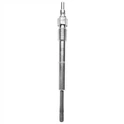
As a Hyundai Glow Plugs supplier, we offer a wide range of glow plugs suitable for different Hyundai models. Our Glow Plug for Hyundai Y722js 36710 - 42000 36710 - 42020 36710 - 42060 11v is specifically designed to perform well in cold conditions. It has a high - quality heating element that can withstand the increased electrical resistance in cold weather and reach the required temperature quickly.
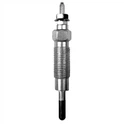
We also have the Glow Plug for Hyundai Cp - stx - 067 - 1n 95mm, which is engineered for efficient heating in the combustion chambers of Hyundai engines. These glow plugs are made from durable materials that can resist the wear and tear caused by cold starts.
Contact Us for Your Hyundai Glow Plug Needs
If you're experiencing issues with your Hyundai glow plugs, especially in cold weather, or if you're looking for high - quality replacement glow plugs, we're here to help. Our team of experts can provide you with the right advice and products to ensure that your Hyundai diesel engine starts smoothly, even in the coldest conditions. Contact us to discuss your requirements and start a procurement negotiation.
References
- Automotive Engineering Handbook, SAE International
- Diesel Engine Technology, Bosch Diesel Systems
- Hyundai Diesel Engine Service Manuals