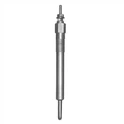
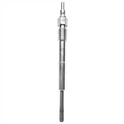
Hey there! As a supplier of 129mm glow plugs, I get asked a lot about whether there are differences in these glow plugs for different construction equipment engines. Well, let me tell you, there absolutely are! In this blog, I'm gonna break down these differences and explain why they matter.
First off, let's talk about what a glow plug actually does. For those of you who aren't too familiar with engines, a glow plug is a key component in diesel engines. Diesel engines don't use spark plugs like gasoline engines. Instead, they rely on the heat generated by compressing air in the cylinders. But when it's cold outside, the air doesn't get hot enough just from compression. That's where glow plugs come in. They heat up the air in the combustion chamber, making it easier for the diesel fuel to ignite.
Now, different construction equipment engines have different requirements. Things like the engine size, design, and the way it operates all play a role in determining what kind of glow plug it needs.
Heat Output
One of the biggest differences in 129mm glow plugs for different construction equipment engines is the heat output. Some engines need more heat to start properly, especially in cold weather. For example, larger construction equipment engines with more cylinders or higher compression ratios usually require glow plugs with a higher heat output. These engines have more volume to heat up, so a more powerful glow plug is necessary.
On the other hand, smaller construction equipment engines might not need as much heat. Using a glow plug with too high a heat output in a small engine could actually cause problems. It might over - heat the combustion chamber, leading to premature wear and tear on the engine components. So, it's crucial to match the heat output of the glow plug to the engine's needs.
Material and Build Quality
The material and build quality of the glow plug also vary depending on the engine. Construction equipment engines operate in tough environments. They're exposed to dirt, dust, vibrations, and high temperatures. So, the glow plugs need to be durable.
For heavy - duty construction equipment engines that are used for long hours and in harsh conditions, glow plugs made from high - quality materials like nickel - chromium alloys are often preferred. These materials can withstand high temperatures and resist corrosion. They're less likely to break down or fail, which is essential for equipment that can't afford a lot of downtime.
Lighter - duty construction equipment engines might be able to use glow plugs made from less expensive materials. But even then, the build quality still matters. A well - built glow plug, regardless of the material, will last longer and perform more consistently.
Electrical Characteristics
Electrical characteristics are another important factor. The voltage and current requirements of glow plugs can differ between construction equipment engines. Some engines operate on a 12 - volt electrical system, while others might use 24 - volts.
For example, if you're looking at Glow Plug for Ford F4tz - 12a342 - ba 129mm 11v, it's designed with specific voltage requirements in mind. Using a glow plug with the wrong voltage can lead to inefficient operation. If the voltage is too low, the glow plug won't heat up enough, and the engine might be hard to start. If the voltage is too high, it could damage the glow plug and other electrical components in the engine.
Compatibility with Engine Management Systems
Modern construction equipment engines often have sophisticated engine management systems. These systems control various aspects of the engine's operation, including the glow plug operation.
Some engines have systems that can adjust the glow plug's heating time and intensity based on factors like engine temperature and ambient conditions. Glow plugs need to be compatible with these systems. If a glow plug isn't compatible, the engine management system might not be able to control it properly, which can affect the engine's performance and starting ability.
Examples of Different Glow Plugs for Ford Engines
Let's take a look at some examples of different glow plugs for Ford engines. We have the Glow Plug for Ford Pa - 305 E7tz12a342a 81mm 11v. This glow plug is designed for a specific Ford engine model. Its size, heat output, and electrical characteristics are tailored to that engine's requirements.
Then there's the Glow Plug for Ford Ezd33 N10140103 91.5mm 11v. Again, it's made to fit a particular engine. The differences in size, compared to the other glow plugs, are related to the engine's design and the space available in the combustion chamber.
Why These Differences Matter
You might be wondering, why does all this matter? Well, using the right glow plug for your construction equipment engine is essential for several reasons.
First of all, it ensures reliable starting. If you use a glow plug that doesn't provide enough heat or isn't compatible with the engine's electrical system, the engine might not start at all, especially in cold weather. This can lead to delays on the job site and increased costs.
Secondly, it helps with engine performance. A properly matched glow plug allows the engine to burn fuel more efficiently. This means better fuel economy, less emissions, and less wear on the engine components.
Finally, using the right glow plug can extend the life of your engine. By providing the correct amount of heat and working in harmony with the engine management system, the glow plug reduces stress on other engine parts.
Conclusion
In conclusion, there are definitely differences in 129mm glow plugs for different construction equipment engines. These differences in heat output, material, electrical characteristics, and compatibility with engine management systems are all crucial for the proper operation of the engine.
If you're in the market for 129mm glow plugs for your construction equipment engines, it's important to do your research and make sure you're getting the right ones. As a supplier, I'm here to help. Whether you need advice on which glow plug is best for your engine or you're ready to make a purchase, feel free to reach out for a chat. We can discuss your specific requirements and find the perfect solution for you.


References
- Diesel Engine Handbook. Published by a leading automotive engineering publisher.
- Construction Equipment Maintenance Manuals. Various manufacturers' manuals that detail the specifications of glow plugs for different engines.