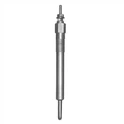
Do Heat Glow Plugs need a specific type of ignition system?
As a supplier of Heat Glow Plugs, I have been frequently asked whether these components require a specific type of ignition system. This question is not only relevant for automotive enthusiasts but also for professionals in the automotive and industrial sectors. In this blog, I will delve into the relationship between Heat Glow Plugs and ignition systems, exploring the technical aspects and practical implications.
Heat Glow Plugs are essential components in diesel engines, especially in cold - start situations. Their primary function is to heat the air in the combustion chamber to a temperature high enough to ignite the diesel fuel when it is injected. Unlike gasoline engines, which use spark plugs to ignite the air - fuel mixture, diesel engines rely on the heat generated by compressing the air in the cylinder. However, in cold weather, the air may not reach the required temperature for ignition, and that's where Heat Glow Plugs come into play.
Now, let's consider the question of whether a specific ignition system is needed. In general, Heat Glow Plugs are designed to work with the existing ignition - related systems in diesel engines. Diesel engines have a compression - ignition system, where the air is compressed to a high pressure, causing its temperature to rise significantly. The Heat Glow Plug acts as an auxiliary heating device to assist this process, particularly during cold starts.
Most modern diesel engines are equipped with an electronic control unit (ECU) that manages the operation of the Heat Glow Plugs. The ECU monitors various parameters such as engine temperature, ambient temperature, and battery voltage to determine the optimal time and duration for the Glow Plugs to be energized. This means that the Heat Glow Plugs are integrated into the overall engine management system, which can be considered a form of a specialized ignition - related control system.


However, different engine designs and applications may require some variations in the ignition - related setup for Heat Glow Plugs. For example, heavy - duty diesel engines used in trucks and industrial equipment often have different power requirements for their Glow Plugs compared to light - duty passenger cars. These engines may need a more robust electrical system to ensure that the Glow Plugs can reach the necessary temperature quickly and maintain it for an appropriate period.
Some advanced diesel engines also feature multiple - stage ignition systems. In these systems, the Heat Glow Plugs may be part of a more complex ignition strategy. For instance, they may be used in combination with other pre - ignition devices or advanced fuel injection techniques to improve combustion efficiency and reduce emissions.
Let's take a look at some specific types of engines and their requirements for Heat Glow Plugs and ignition systems. In marine diesel engines, the operating environment is quite different from that of land - based vehicles. The engine is exposed to high humidity, saltwater, and often has to operate at a wide range of temperatures. Therefore, the Heat Glow Plugs used in marine engines need to be more corrosion - resistant and may require a different ignition control strategy to ensure reliable starting in all conditions.
In the case of agricultural diesel engines, which are often used in tractors and other farming equipment, the engines may be started and stopped frequently throughout the day. This requires the Heat Glow Plugs to have a fast - heating capability and a long service life. The ignition system for these engines may be optimized for quick and repeated starts.
When it comes to aftermarket Heat Glow Plugs, compatibility with the existing ignition system is a crucial factor. Customers need to ensure that the replacement Glow Plugs they choose are suitable for their engine's make, model, and ignition setup. As a supplier, I always recommend that customers consult the vehicle's manual or a professional mechanic to ensure proper installation and operation.
Now, let's mention some related products in our range. We offer IVECO Ignition System Flame Plugs, which are specifically designed for IVECO engines. These plugs are engineered to meet the high - performance requirements of IVECO's ignition systems, ensuring reliable cold starts and efficient combustion.
Another product we have is the Automobile Engine Coolant Thermostat Electric Heating Push Rod. This component is related to the engine's cooling system but also has an impact on the overall engine performance. It works in conjunction with the Heat Glow Plugs to maintain the optimal engine temperature, which is essential for proper ignition and combustion.
In conclusion, while Heat Glow Plugs do not necessarily require a completely separate and unique ignition system, they are an integral part of the overall ignition - related setup in diesel engines. The specific requirements for Heat Glow Plugs vary depending on the engine type, application, and operating conditions. As a supplier, we understand the importance of providing high - quality Heat Glow Plugs that are compatible with different ignition systems.
If you are in the market for Heat Glow Plugs or related products, I encourage you to get in touch with us for more information and to discuss your specific needs. We have a team of experts who can provide you with professional advice and guidance to ensure that you choose the right products for your engines. Whether you are a car owner, a fleet manager, or an industrial equipment operator, we are here to assist you in finding the best solutions for your ignition and engine - related requirements.
References
- Heywood, J. B. (1988). Internal Combustion Engine Fundamentals. McGraw - Hill.
- Stone, R. (1999). Introduction to Internal Combustion Engines. Society of Automotive Engineers.