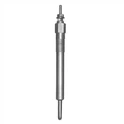
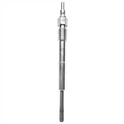
As a trusted supplier of 10.5V heater glow plugs, I've witnessed firsthand the importance of these components in the smooth operation of diesel engines. Glow plugs play a crucial role in pre - heating the combustion chamber, ensuring easy starting, especially in cold weather. However, they are prone to damage over time. In this blog, I'll explore the common causes of damage to a 10.5V heater glow plug.
1. Electrical Overload
One of the primary causes of glow plug damage is electrical overload. A 10.5V heater glow plug is designed to operate within a specific voltage range. If the electrical system in the vehicle supplies a voltage significantly higher than 10.5V, it can lead to excessive current flow through the glow plug. This increased current generates more heat than the glow plug can handle, causing the heating element to overheat and eventually burn out.
For instance, if there is a malfunction in the vehicle's voltage regulator, it may fail to maintain the proper voltage level. As a result, the glow plug is subjected to higher - than - normal voltages, which can quickly degrade its performance. Regular electrical system checks are essential to prevent this type of damage.
2. Contamination
Contamination is another major culprit when it comes to glow plug damage. Diesel fuel additives, engine oil, and carbon deposits can all find their way onto the glow plug tip. When diesel fuel additives contain impurities or are not compatible with the glow plug material, they can cause corrosion. Engine oil can seep into the combustion chamber due to worn piston rings or valve seals. Once on the glow plug, the oil burns and leaves behind carbon deposits.
Carbon deposits act as insulators, preventing the glow plug from reaching its optimal operating temperature. Over time, this can lead to uneven heating and stress on the heating element, ultimately causing it to break. To mitigate this issue, it's important to use high - quality diesel fuel and additives and to address any engine oil leakage problems promptly.
3. Vibration and Mechanical Stress
The engine environment is a harsh one, filled with vibrations and mechanical stresses. Glow plugs are constantly exposed to these forces. Vibration can cause the internal components of the glow plug to loosen or break. For example, the heating element may become detached from its connections due to continuous shaking.
Mechanical stress can also occur during the installation or removal of the glow plug. If improper tools are used or excessive force is applied, the glow plug can be damaged. It's crucial to follow the manufacturer's installation instructions carefully to ensure that the glow plug is properly seated and not subjected to unnecessary stress.
4. Overheating from Prolonged Use
In some cases, glow plugs can overheat due to prolonged use. When the glow plug relay malfunctions, it may keep the glow plugs energized for an extended period. This continuous operation at high temperatures can cause the heating element to expand and contract repeatedly, leading to fatigue and eventual failure.
Some drivers may also leave the glow plugs on for too long when starting the engine, thinking that it will improve the starting process. However, this practice can significantly reduce the lifespan of the glow plugs. It's important to use the glow plugs only for the recommended time intervals.
5. Incompatible Engine Modifications
If a vehicle has undergone engine modifications, such as changes to the fuel injection system or turbocharger, it can affect the performance and lifespan of the glow plugs. For example, an increase in the engine's compression ratio or a change in the air - fuel mixture can lead to higher combustion chamber temperatures.
A 10.5V heater glow plug that was originally designed for a stock engine may not be able to withstand these new conditions. The increased heat can cause the glow plug to degrade more quickly. When making engine modifications, it's essential to consult with a professional to ensure that the glow plugs are compatible with the new setup.
Examples of Our Glow Plugs
We offer a wide range of high - quality glow plugs, including some specifically designed for Isuzu engines. For example, our [Glow Plug for Isuzu 5 - 81410040 - 0 Pi - 45 89mm 9v](/heat - glow - plug/isuzu - glow - plugs/glow - plug - for - isuzu - 5 - 81410040 - 0 - pi - 45 - 89mm.html) is a reliable option for Isuzu vehicles with specific requirements. It is engineered to provide efficient pre - heating and long - lasting performance.
Another great product in our catalog is the [Glow Plug for Isuzu 8 - 94135377 - 4 8 - 97033761 - 0 Pi - 50 141mm 23v](/heat - glow - plug/isuzu - glow - plugs/glow - plug - for - isuzu - 8 - 94135377 - 4 - 8 - 97033761 - 0.html). This glow plug is designed to meet the demands of Isuzu engines that require a higher voltage for optimal operation.


We also have the [Glow Plug for Isuzu 9 - 82513959 - 0 Pi - 43 89mm 20.5v](/heat - glow - plug/isuzu - glow - plugs/glow - plug - for - isuzu - 9 - 82513959 - 0 - pi - 43 - 89mm.html), which is a well - crafted component suitable for specific Isuzu models. Our glow plugs are manufactured using high - quality materials and advanced production techniques to ensure their reliability and durability.
Preventive Measures and Solutions
To prevent damage to 10.5V heater glow plugs, regular maintenance is key. This includes checking the electrical system for proper voltage output, inspecting the engine for oil leaks, and cleaning the glow plugs periodically to remove carbon deposits.
When replacing glow plugs, it's important to choose high - quality products from a reputable supplier. Our company is committed to providing top - notch glow plugs that meet or exceed industry standards. We also offer technical support to help you select the right glow plug for your specific engine and to ensure proper installation.
If you're experiencing issues with your glow plugs or are in need of new ones, don't hesitate to reach out. We're here to assist you with all your glow plug needs. Whether you're a mechanic, a fleet owner, or an individual vehicle owner, we can provide the products and expertise you require. Contact us to start a procurement discussion and find the best solutions for your diesel engine's starting requirements.
References
- Bosch Automotive Handbook, 7th Edition
- Chilton's Automotive Repair Manuals
- Society of Automotive Engineers (SAE) Technical Papers