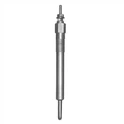
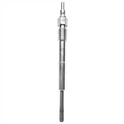
Hey there! As a heat glow plug supplier, I've been in the trenches of the automotive industry for quite a while. Glow plugs are crucial components, especially in diesel engines, where they help with cold starts. But, like everything else, they've got their downsides. Let's dig into the disadvantages of a heat glow plug.
1. Limited Lifespan
One of the most significant drawbacks of heat glow plugs is their relatively short lifespan. These little guys are constantly exposed to extreme conditions. When you start your diesel engine, the glow plug heats up rapidly to help ignite the fuel - air mixture. This process generates a ton of heat, which can cause wear and tear on the glow plug's internal components over time.
For example, the heating element inside the glow plug can start to degrade due to the thermal stress. This degradation can lead to a reduction in the plug's ability to heat up to the required temperature, making cold starts more difficult. And if the engine is frequently started in extremely cold conditions, the wear on the glow plug is even more accelerated.
Regular replacement of glow plugs is a must, and that can be a bit of a hassle for vehicle owners. They've got to factor in the cost of new glow plugs, as well as the labor if they're not doing the replacement themselves. It's not a huge expense, but it does add up over time.
2. Energy Consumption
Heat glow plugs can be quite energy - hungry. When you turn the ignition key in a diesel vehicle, the glow plugs start drawing power from the battery. They need to reach a certain temperature quickly to assist with the ignition process, and this requires a significant amount of electrical energy.
In larger diesel engines, multiple glow plugs might be working simultaneously. This can put a strain on the vehicle's electrical system, especially if the battery is not in top - notch condition. If you're in a situation where you have to make repeated start attempts, the battery can drain even faster.
Moreover, the energy consumption of glow plugs contributes to the overall fuel consumption of the vehicle in an indirect way. The alternator has to work harder to recharge the battery, which in turn uses more fuel. So, in the long run, glow plugs can have a negative impact on the vehicle's fuel efficiency.
3. Cold Start Limitations
While glow plugs are designed to facilitate cold starts, they do have their limitations. In extremely cold temperatures, say below - 20°C, even the best glow plugs might struggle to heat up the combustion chamber enough for a smooth start. The cold air is denser, and the fuel takes longer to vaporize.
Even if the glow plugs can reach their operating temperature, the heat they generate might not be sufficient to overcome the cold conditions. This can result in a rough start, misfires, or even the engine failing to start at all. In such cases, vehicle owners might need to use additional cold - start aids, like block heaters, which adds another layer of complexity and cost.
4. Maintenance Requirements
Maintaining heat glow plugs can be a pain. As I mentioned earlier, they need to be replaced regularly. But before you replace them, you also have to diagnose if one or more glow plugs are malfunctioning. This involves specialized diagnostic tools and some technical know - how.
If a glow plug fails and goes unnoticed, it can lead to other problems in the engine. For example, a faulty glow plug can cause incomplete combustion, which can lead to the buildup of carbon deposits in the combustion chamber. This, in turn, can affect the engine's performance, reduce fuel efficiency, and even cause damage to other engine components over time.
5. Compatibility Issues
Not all glow plugs are created equal, and finding the right one for your vehicle can be a challenge. Different vehicles require glow plugs with specific specifications, such as length, voltage, and heating time. Using an incompatible glow plug can lead to poor performance and even damage to the engine.
As a supplier, I often get customers who are confused about which glow plug to choose for their vehicle. For instance, if you have a Nissan vehicle, you need a glow plug that's specifically designed for it, like the Glow Plug for Nissan Pn - 122 11065 - j5501 11065 - j5502 94mm 9.5v. Similarly, a Ford vehicle needs a different type, such as the Glow Plug for Ford Ge122 266038 1717631 148.5mm, and a Hino vehicle requires a Glow Plug for Hino Ph - 25 19110 - 1160 141mm 10.5v.
6. Cost
The cost of heat glow plugs can be a deterrent for some vehicle owners. High - quality glow plugs, which are often necessary for optimal engine performance, can be relatively expensive. And when you consider that multiple plugs are needed for most diesel engines, the cost can add up quickly.
In addition to the purchase price of the glow plugs, there's also the cost of installation. If you're not DIY - savvy, you'll have to take your vehicle to a mechanic, and they'll charge you for their labor. This can make the overall cost of replacing glow plugs a significant expense, especially for older vehicles where the owner might be trying to keep maintenance costs down.
Connecting the Dots
Despite these disadvantages, heat glow plugs are still an essential part of diesel engines. They play a crucial role in ensuring reliable cold starts and proper engine operation. At our supply, we understand the challenges that come with using glow plugs, and we're committed to providing high - quality products that minimize these issues.


If you're in the market for heat glow plugs and want to discuss your specific needs, we're here to help. Whether you're dealing with cold start problems, need to replace worn - out plugs, or just have questions about compatibility, feel free to reach out. We've got the expertise and a wide range of products to meet your requirements. Let's have a chat and see how we can make your diesel engine run smoother.
References
- "Automotive Diesel Engines: Principles, Systems, and Maintenance" by Robert N. Brady
- Various technical manuals from vehicle manufacturers