As a seasoned Heat Glow Plug supplier, I've encountered numerous inquiries regarding the difference between glow plugs and auxiliary heaters. This blog aims to shed light on these two essential components, their functions, and how they serve distinct yet complementary roles in various heating systems.
Understanding Glow Plugs
Glow plugs are a fundamental part of diesel engines, particularly in cold - starting situations. Unlike gasoline engines that use spark plugs to ignite the air - fuel mixture, diesel engines rely on the heat generated by high compression to ignite the fuel. However, in cold weather, the air in the combustion chamber may not reach the necessary temperature for efficient ignition. This is where glow plugs come into play.
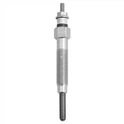
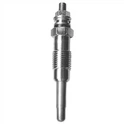
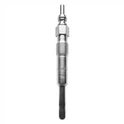
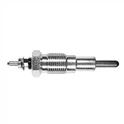
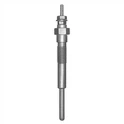
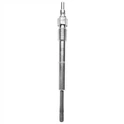
A glow plug is essentially a heating device that protrudes into the combustion chamber of a diesel engine. When the ignition key is turned, the glow plug system is activated. The glow plug heats up rapidly, reaching temperatures of up to 1000°C within a few seconds. This pre - heating of the combustion chamber provides the extra heat needed for the diesel fuel to ignite smoothly, reducing the strain on the engine during cold starts and minimizing white smoke emissions.
The construction of a glow plug typically consists of a heating element, usually made of a high - resistance metal alloy such as nickel - chromium or tungsten. This element is enclosed in a metal sheath, which protects it from the harsh conditions inside the combustion chamber, including high pressure, temperature, and corrosive gases.
There are different types of glow plugs available in the market, including pre - combustion chamber glow plugs, direct - injection glow plugs, and fast - heating glow plugs. Each type is designed to meet the specific requirements of different diesel engine designs. For instance, fast - heating glow plugs are capable of reaching their operating temperature much quicker than traditional glow plugs, allowing for even faster cold starts.
If you are interested in high - quality glow plugs for IVECO engines, you can check out our IVECO Ignition System Flame Plugs. These plugs are engineered to provide reliable ignition performance in all weather conditions.
The Role of Auxiliary Heaters
Auxiliary heaters, on the other hand, are designed to provide additional heating for a vehicle's cabin or engine coolant. They are commonly used in vehicles, especially in cold climates, to improve passenger comfort and engine performance.
There are two main types of auxiliary heaters: engine coolant heaters and cabin heaters.
Engine coolant heaters are used to pre - heat the engine coolant before starting the engine. By warming up the coolant, the engine reaches its optimal operating temperature more quickly. This not only reduces wear and tear on the engine components but also improves fuel efficiency. When the engine is cold, the oil is thick, which increases friction between moving parts. Pre - heating the coolant helps to thin the oil, allowing it to flow more freely and lubricate the engine effectively.
Cabin heaters, as the name suggests, are used to heat the passenger compartment of a vehicle. These heaters can operate independently of the engine, which means that passengers can enjoy a warm and comfortable environment even before the engine has started. This is particularly useful in extremely cold weather when waiting for the engine to warm up and start providing heat to the cabin can be a long and uncomfortable process.
Auxiliary heaters can be powered by various sources, including electricity, diesel fuel, or gasoline. Electric auxiliary heaters are often used in hybrid and electric vehicles, as they can be easily integrated into the vehicle's electrical system. Diesel - powered auxiliary heaters, on the other hand, are commonly used in diesel vehicles and are known for their high heating efficiency.
Our Automobile Engine Coolant Thermostat Electric Heating Push Rod is an excellent example of an auxiliary heating component. It is designed to precisely control the temperature of the engine coolant, ensuring optimal engine performance.
Key Differences between Glow Plugs and Auxiliary Heaters
- Function: The primary function of glow plugs is to assist in the ignition of diesel fuel in the engine's combustion chamber during cold starts. They are directly involved in the engine's combustion process. Auxiliary heaters, however, are focused on providing additional heating for the cabin or engine coolant, which is more related to passenger comfort and engine pre - warming.
- Location: Glow plugs are installed directly in the combustion chamber of a diesel engine. Their position allows them to heat the air - fuel mixture directly. Auxiliary heaters can be located in different parts of the vehicle. Engine coolant heaters are usually connected to the engine's cooling system, while cabin heaters are installed in the ventilation system.
- Operation: Glow plugs are activated for a short period before starting the engine. Once the engine is running, they are no longer needed. Auxiliary heaters can operate independently of the engine start - up process. They can be turned on manually or set to operate automatically at a specific time or temperature.
- Power Source: Glow plugs are powered by the vehicle's electrical system. They draw a relatively small amount of power for a short duration. Auxiliary heaters can be powered by different sources, including electricity, diesel fuel, or gasoline, depending on the type of heater.
Complementary Roles
Although glow plugs and auxiliary heaters have different functions, they can work together to improve the overall performance of a vehicle in cold weather. For example, an auxiliary engine coolant heater can pre - heat the engine, making it easier for the glow plugs to start the engine. Once the engine is running, the cabin heater can provide a warm and comfortable environment for the passengers.


Why Choose Our Heat Glow Plugs and Auxiliary Heating Components
As a Heat Glow Plug supplier, we are committed to providing high - quality products that meet the strictest industry standards. Our glow plugs are manufactured using the latest technology and high - quality materials, ensuring reliable performance and long service life.
Our auxiliary heating components are designed to be energy - efficient and easy to install. We understand the importance of passenger comfort and engine performance, especially in cold climates. That's why we continuously invest in research and development to improve our products.
If you are in the market for heat glow plugs or auxiliary heating components, we invite you to contact us for a detailed discussion on your specific requirements. Our team of experts is ready to assist you in finding the right products for your needs. Whether you are an automotive manufacturer, a repair shop, or an individual vehicle owner, we have the solutions you are looking for.
References
- Heywood, J. B. (1988). Internal Combustion Engine Fundamentals. McGraw - Hill.
- Bosch Automotive Handbook. (2007). Robert Bosch GmbH.
- Taylor, C. F. (1985). The Internal Combustion Engine in Theory and Practice. MIT Press.