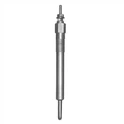
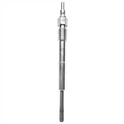
As a dedicated supplier of Toyota glow plugs, I've witnessed firsthand the crucial role these components play in the efficient operation of Toyota diesel engines. Glow plugs are essential for starting diesel engines, especially in cold weather, by pre - heating the combustion chamber to aid the ignition of the diesel fuel. However, one common issue that can significantly affect the performance and lifespan of these glow plugs is over - tightening. In this blog, I'll delve into the various effects of over - tightening Toyota glow plugs.
Structural Damage
One of the most immediate effects of over - tightening Toyota glow plugs is structural damage. Glow plugs are precision - engineered components. When you overtighten them, excessive stress is placed on the plug's body. This can lead to cracks in the ceramic portion of the glow plug. The ceramic is a key part of the glow plug as it insulates the heating element and allows for efficient heat transfer. Once cracked, the insulation properties are compromised, and the heating element may short - circuit.
For instance, if you're using a Glow Plug for Toyota Pt - 102 19850 - 77010 19850 - 77011 96mm 21v, over - tightening can cause micro - fractures in the ceramic insulator. These fractures may not be immediately visible but can lead to a gradual degradation of the glow plug's performance.
Moreover, the threads of the glow plug can also be damaged by over - tightening. The threads are responsible for securing the glow plug in the engine block and ensuring a good electrical connection. When overtightened, the threads can be stripped or deformed, making it difficult to remove or reinstall the glow plug in the future. And if the threads in the engine block are damaged, it can be an expensive and time - consuming repair job.
Poor Sealing and Leakage
Another significant consequence of over - tightening Toyota glow plugs is poor sealing and the potential for leakage. A proper seal between the glow plug and the engine block is essential to prevent combustion gases from escaping. When a glow plug is overtightened, it can distort the sealing surface.
For example, in some Toyota engines using Glow Plug for Toyota Pt - 104 19850 - 68030 101mm 8.5v, the sealing washer is designed to create a tight fit when the glow plug is tightened to the correct torque. But if the torque is too high, the washer can be compressed beyond its design limits, losing its ability to seal properly. This can result in the leakage of hot combustion gases, which not only reduces the engine's efficiency but can also cause damage to the surrounding components.
Leaking combustion gases can lead to overheating of the glow plug and other engine parts. The heat from the escaping gases can also cause carbon deposits to form on the glow plug and in the engine block, further affecting the engine's performance and potentially leading to more serious problems such as engine misfires.
Reduced Heat Transfer
Glow plugs rely on efficient heat transfer to pre - heat the combustion chamber effectively. Over - tightening can disrupt this heat transfer process. When a glow plug is tightened too much, it can cause misalignment within the engine block. This misalignment can create air gaps between the glow plug and the surrounding metal, which act as insulators and impede the transfer of heat.


Take the Glow Plug for Toyota Pt - 147 19850 - 54070 19850 - 54071 95mm 12v as an example. If it is over - tightened, the heating element may not be in proper contact with the combustion chamber, and the heat generated may not reach the diesel fuel in a timely and efficient manner. As a result, the engine may have difficulty starting, especially in cold weather. The engine may also experience rough idling and reduced power output due to incomplete combustion caused by insufficient pre - heating.
Premature Failure
All the above - mentioned effects of over - tightening ultimately lead to premature failure of the Toyota glow plugs. When a glow plug is structurally damaged, has poor sealing, or reduced heat transfer, its lifespan is significantly shortened. Instead of lasting for the recommended service interval, the glow plug may fail within a few months or even weeks.
Premature glow plug failure can be costly for vehicle owners. Not only do they have to replace the faulty glow plug, but they may also have to pay for additional repairs if the damage has affected other engine components. As a supplier, I've seen many cases where over - tightening has led to repeated glow plug failures, causing frustration for both the vehicle owners and the mechanics.
How to Avoid Over - Tightening
To prevent the negative effects of over - tightening, it's crucial to follow the manufacturer's recommended torque specifications when installing Toyota glow plugs. These specifications are carefully determined to ensure a proper fit, good sealing, and efficient heat transfer.
Using a torque wrench is the best way to achieve the correct torque. A torque wrench allows you to apply the exact amount of force required, eliminating the risk of over - or under - tightening. Before installing a new glow plug, make sure to clean the threads in the engine block and on the glow plug to ensure a smooth and proper installation.
Conclusion
In conclusion, over - tightening Toyota glow plugs can have a range of detrimental effects on their performance and lifespan, as well as on the overall operation of the engine. From structural damage and poor sealing to reduced heat transfer and premature failure, the consequences can be quite severe. As a supplier of high - quality Toyota glow plugs, I'm always committed to providing customers with the best products and advice on proper installation.
If you're in need of reliable Toyota glow plugs or have any questions about their installation and maintenance, I encourage you to reach out. We're here to assist you in ensuring the optimal performance of your Toyota diesel engines.
References
- "Toyota Engine Service Manuals"
- "Glow Plug Technology and Applications"
- "Automotive Diesel Engine Systems"