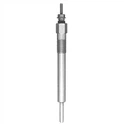
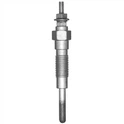
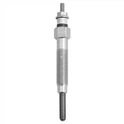
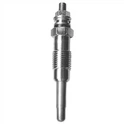
As a dedicated supplier of HINO glow plugs, I've spent years delving into the intricacies of these essential automotive components. One of the most frequently asked questions I encounter is about the ignition delay of HINO glow plugs. In this blog post, I'll shed light on what ignition delay is, how it relates to HINO glow plugs, and why it matters for your vehicle's performance.
Understanding Ignition Delay
Ignition delay refers to the time interval between the start of fuel injection into the combustion chamber and the actual ignition of the fuel - air mixture. In diesel engines, where HINO glow plugs play a crucial role, this delay is a critical factor. Diesel engines rely on the heat generated by compression to ignite the fuel. However, in cold conditions, the air in the combustion chamber may not reach the necessary temperature for immediate ignition. This is where HINO glow plugs come into play.
HINO glow plugs are designed to pre - heat the combustion chamber, reducing the ignition delay. When the engine is started, especially in cold weather, the glow plugs heat up the air in the chamber, making it easier for the injected diesel fuel to ignite. The shorter the ignition delay, the smoother and more efficient the engine start will be.
Factors Affecting Ignition Delay of HINO Glow Plugs
1. Temperature
Temperature is one of the most significant factors influencing ignition delay. In cold weather, the air in the combustion chamber is denser and cooler. As a result, it takes longer for the fuel to reach its ignition temperature. HINO glow plugs work to counteract this by rapidly heating the air. For instance, in extremely cold conditions (below freezing), the ignition delay can be several milliseconds longer compared to warm weather. A well - functioning HINO glow plug can significantly reduce this delay, ensuring a quick and reliable engine start.
2. Glow Plug Quality
The quality of the HINO glow plug itself plays a vital role. High - quality glow plugs are designed to heat up quickly and reach the optimal temperature for ignition. They are made from durable materials that can withstand the high temperatures and pressures inside the combustion chamber. Inferior glow plugs may heat up slowly or unevenly, leading to increased ignition delay. As a HINO glow plug supplier, I ensure that the products I offer meet the highest quality standards to minimize ignition delay.


3. Engine Condition
The overall condition of the engine also affects ignition delay. An engine with worn - out components, such as piston rings or valves, may have poor compression. This can lead to a longer ignition delay as the air may not be compressed to the required level to aid in ignition. Regular engine maintenance, including checking and replacing worn parts, can help maintain proper compression and reduce ignition delay in conjunction with the use of HINO glow plugs.
Importance of Reducing Ignition Delay
1. Improved Cold - Start Performance
One of the primary benefits of reducing ignition delay with HINO glow plugs is improved cold - start performance. In cold climates, a long ignition delay can result in hard starting, rough idling, and excessive white smoke from the exhaust. By quickly heating the combustion chamber, HINO glow plugs allow the engine to start smoothly, even in frigid temperatures. This is not only convenient for the driver but also reduces wear and tear on the engine components during the starting process.
2. Enhanced Fuel Efficiency
A shorter ignition delay means that the fuel is ignited more efficiently. When the fuel ignites promptly, it burns more completely, resulting in better fuel utilization. This leads to improved fuel efficiency, which can save you money on fuel costs in the long run. Additionally, more complete combustion reduces the amount of unburned fuel in the exhaust, which is better for the environment.
3. Reduced Engine Wear
Long ignition delays can cause increased stress on the engine. When the fuel ignites after a long delay, it can create a sudden and powerful pressure surge in the combustion chamber. This can lead to excessive wear on the pistons, connecting rods, and other engine components. By reducing ignition delay, HINO glow plugs help to create a more controlled and gentle combustion process, extending the lifespan of the engine.
Different Types of HINO Glow Plugs and Their Ignition Delay Characteristics
HINO offers several types of glow plugs, each with its own characteristics and ignition delay performance.
Glow Plug for Hino Ph - 20 6054330901 19110 - 1050 19110 - 1051 86mm 22.5v
This type of glow plug is designed for specific HINO engine models. It has a relatively short heating time, which means it can reduce ignition delay effectively, especially in moderate cold conditions. The 22.5v power supply allows it to reach the required temperature quickly, ensuring a smooth engine start. You can find more information about this glow plug here.
Glow Plug for Hino Ph - 26 19110 - 1220 067100 - 1830 141mm 23v
The Hino Ph - 26 glow plug is built for engines that require a higher level of pre - heating. With a longer length and a 23v power supply, it can heat a larger volume of air in the combustion chamber. This is particularly useful in very cold climates where the ignition delay would otherwise be quite long. To learn more about this glow plug, visit this link.
Glow Plug for Hino Ph - 23 19110 - 10811a 19110 - 11130a 141mm 14v
This glow plug is suitable for engines with different power requirements. The 14v power supply and 141mm length make it a versatile option. It can effectively reduce ignition delay in a range of operating conditions. For detailed information, click here.
How to Ensure Optimal Ignition Delay with HINO Glow Plugs
1. Regular Inspection
Regularly inspect your HINO glow plugs for signs of wear or damage. Check for cracks, corrosion, or excessive carbon buildup. A damaged glow plug may not heat up properly, leading to increased ignition delay. If you notice any issues, replace the glow plug immediately.
2. Follow Manufacturer's Recommendations
Follow the manufacturer's recommendations for glow plug replacement intervals. Over time, the performance of glow plugs can degrade, and they may not be able to reduce ignition delay as effectively. Replacing them at the recommended intervals ensures that your engine always has the best possible start.
3. Use the Right Glow Plug
Make sure you are using the correct type of HINO glow plug for your engine model. Different engines have different requirements in terms of power, length, and heating capacity. Using the wrong glow plug can result in longer ignition delays and poor engine performance.
Conclusion
In conclusion, the ignition delay of HINO glow plugs is a crucial aspect of diesel engine performance. By understanding what ignition delay is, the factors that affect it, and how to ensure optimal performance, you can keep your engine running smoothly, especially in cold conditions. As a HINO glow plug supplier, I am committed to providing high - quality products that minimize ignition delay and enhance the overall performance of your vehicle.
If you are interested in purchasing HINO glow plugs or have any questions about ignition delay or our products, I encourage you to reach out. We can discuss your specific needs and help you find the best glow plug solution for your HINO engine. Let's work together to ensure your engine starts reliably every time.
References
- Diesel Engine Fundamentals, Society of Automotive Engineers
- HINO Engine Technical Manuals