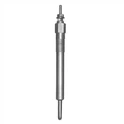
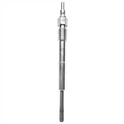
As a supplier of 129mm glow plugs, I often encounter questions from customers regarding the maximum operating temperature of these crucial components. Glow plugs play a vital role in diesel engines, especially in cold - starting conditions, by pre - heating the combustion chamber to facilitate ignition. Understanding the maximum operating temperature of a 129mm glow plug is essential for both engine performance and the longevity of the plug itself.
The Basics of Glow Plugs
Before delving into the maximum operating temperature, let's briefly understand how glow plugs work. In a diesel engine, unlike a gasoline engine, there are no spark plugs. Instead, the air in the combustion chamber is compressed until it reaches a high temperature. Diesel fuel is then injected into the hot, compressed air, where it ignites spontaneously. However, in cold weather, the air may not reach a high enough temperature for ignition. This is where glow plugs come in. They are electrically heated elements that raise the temperature of the air in the combustion chamber, making it easier for the diesel fuel to ignite.
A 129mm glow plug is a specific type of glow plug, with the length of 129mm designed to fit certain engine models. The length is crucial as it determines how far the glow plug extends into the combustion chamber, affecting the pre - heating efficiency.
Factors Affecting the Maximum Operating Temperature
The maximum operating temperature of a 129mm glow plug is influenced by several factors.


Material Composition
The materials used in the construction of the glow plug have a significant impact on its maximum operating temperature. Most glow plugs are made of a combination of metals and ceramic materials. For example, the heating element is often made of a high - temperature - resistant alloy, such as nickel - chromium alloy. These alloys can withstand high temperatures without melting or deforming. Ceramics are also used in some parts of the glow plug, as they have excellent thermal insulation properties and can help protect the surrounding components from the high heat generated by the heating element.
Design and Construction
The design of the glow plug, including its shape, size, and the way the heating element is arranged, can affect its maximum operating temperature. A well - designed glow plug will have an efficient heat transfer mechanism, which allows it to reach the required temperature quickly and maintain it steadily. For instance, some glow plugs have a spiral - shaped heating element, which increases the surface area for heat transfer and helps in achieving a more uniform temperature distribution.
Engine Conditions
The conditions within the engine also play a role in determining the maximum operating temperature of the glow plug. The compression ratio of the engine, the quality of the fuel, and the air - fuel mixture ratio can all affect the temperature in the combustion chamber. A higher compression ratio generally leads to a higher temperature in the combustion chamber, which in turn can increase the operating temperature of the glow plug.
Determining the Maximum Operating Temperature
The maximum operating temperature of a 129mm glow plug is typically specified by the manufacturer. This specification is based on extensive testing and research to ensure that the glow plug can operate safely and effectively under normal engine conditions.
In general, the maximum operating temperature of a 129mm glow plug can range from 900°C to 1100°C. However, this can vary depending on the specific model and application. For example, some heavy - duty diesel engines may require glow plugs that can withstand higher temperatures, while smaller engines may have lower temperature requirements.
It's important to note that operating the glow plug above its maximum recommended temperature can lead to premature failure. Excessive heat can cause the heating element to oxidize, which can reduce its resistance and eventually lead to a short - circuit. It can also cause the ceramic components to crack, which can compromise the insulation and lead to electrical problems.
Importance of Staying within the Temperature Range
Staying within the maximum operating temperature range is crucial for several reasons.
Engine Performance
A glow plug that operates within its recommended temperature range will provide consistent and reliable pre - heating, which is essential for smooth engine starting, especially in cold weather. If the glow plug overheats, it may not function properly, leading to hard starting, misfires, and reduced engine performance.
Longevity of the Glow Plug
By operating the glow plug within its maximum temperature limit, you can significantly extend its lifespan. Overheating can cause rapid wear and tear on the components, leading to a shorter service life. This means more frequent replacements, which can be costly and inconvenient.
Our Product Range
As a supplier of 129mm glow plugs, we offer a wide range of high - quality products. Our glow plugs are designed to meet the strictest industry standards and are tested rigorously to ensure optimal performance.
For example, we have the Glow Plug for Ford F4tz - 12a342 - ba 129mm 11v, which is specifically designed for Ford engines. This glow plug is made of high - quality materials and has a well - engineered design to ensure efficient heat transfer and reliable operation.
In addition to the 129mm glow plugs, we also offer other types of glow plugs, such as the Glow Plug for Ford Pa - 304 E5tz12a342a Dg - 175 77mm 10.5v and the Glow Plug for Ford Pa - 305 E7tz12a342a 5614220 81mm 11v. These products are suitable for different engine models and applications, providing our customers with a comprehensive solution for their glow plug needs.
Contact Us for Procurement
If you are in the market for high - quality glow plugs, including our 129mm glow plugs, we invite you to contact us for procurement. Our team of experts is ready to assist you in selecting the right glow plug for your engine and answering any questions you may have regarding the maximum operating temperature or other technical specifications.
References
- Heywood, J. B. (1988). Internal Combustion Engine Fundamentals. McGraw - Hill.
- Stone, R. (2012). Introduction to Internal Combustion Engines. Pearson Education.