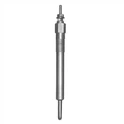
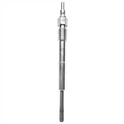
As a heat glow plug supplier, understanding the power consumption of these essential components is crucial. Heat glow plugs play a vital role in the ignition process, especially in diesel engines, by pre - heating the combustion chamber to facilitate easier starting, particularly in cold weather conditions. In this blog, we will delve into the factors that influence the power consumption of heat glow plugs and why it matters for both manufacturers and end - users.
Factors Affecting Power Consumption
Material and Design
The material used in the construction of a heat glow plug has a significant impact on its power consumption. For example, ceramic heat glow plugs are known for their fast - heating capabilities. They can reach the required operating temperature much quicker than traditional metal glow plugs. This rapid heating means that they consume power for a shorter period, potentially reducing overall power consumption. However, the initial power draw during the heating phase can be relatively high.
On the other hand, metal glow plugs are more common and have a more gradual heating process. Their power consumption is spread out over a longer time. The design of the glow plug, such as the shape of the heating element and the insulation around it, also affects how efficiently it uses power. A well - designed glow plug with proper insulation can minimize heat loss, thus reducing the amount of power needed to maintain the desired temperature.
Engine Requirements
The power consumption of a heat glow plug is closely related to the engine's specifications. Larger engines generally require more heat to start, which means the glow plugs need to generate more energy. This results in higher power consumption. The compression ratio of the engine is another important factor. Engines with a higher compression ratio need less pre - heating, so the glow plugs may consume less power.
The type of fuel used also plays a role. Different diesel fuels have different ignition characteristics. Some fuels ignite more easily than others, and engines running on these fuels may require less pre - heating from the glow plugs, leading to lower power consumption.
Operating Conditions
Cold weather is one of the most significant factors that increase the power consumption of heat glow plugs. In extremely cold temperatures, the engine block and the air in the combustion chamber are much colder. The glow plugs need to work harder and for a longer time to reach the temperature required for ignition. For instance, in temperatures below freezing, the glow plugs may need to operate for several minutes before the engine can start smoothly.


In contrast, in warmer climates, the power consumption of the glow plugs is significantly reduced as the ambient temperature is closer to the temperature needed for ignition. Additionally, altitude can also affect power consumption. At higher altitudes, the air is thinner, which can make ignition more difficult. Glow plugs may need to provide more heat, thus consuming more power.
Measuring Power Consumption
To accurately measure the power consumption of a heat glow plug, we use the basic electrical formula (P = VI), where (P) is power (in watts), (V) is voltage (in volts), and (I) is current (in amperes). The voltage supplied to the glow plug is typically the vehicle's battery voltage, which is usually around 12 volts in most automotive applications.
The current draw of the glow plug can vary depending on its design and operating conditions. A typical metal glow plug may draw around 5 - 10 amperes during the heating phase, while a ceramic glow plug can draw up to 15 amperes or more initially but for a shorter time. By measuring the current and knowing the voltage, we can calculate the power consumption at any given time.
Importance of Understanding Power Consumption
For Manufacturers
For heat glow plug manufacturers, understanding power consumption is essential for product development. By optimizing the design and materials, manufacturers can create glow plugs that are more energy - efficient. This not only reduces the cost of production but also makes the products more attractive to customers who are increasingly concerned about energy efficiency.
Manufacturers can also use power consumption data to improve the performance of their glow plugs. For example, by analyzing how power consumption changes under different operating conditions, they can develop better control systems that adjust the heating process to minimize power usage while still ensuring reliable ignition.
For End - Users
End - users, such as vehicle owners and operators, benefit from understanding the power consumption of heat glow plugs. A more energy - efficient glow plug can reduce the load on the vehicle's battery, which is especially important in vehicles with a lot of electrical accessories. This can lead to longer battery life and fewer starting problems.
In addition, lower power consumption means less fuel is used to generate the electricity needed for the glow plugs. This can result in cost savings over time, especially for commercial vehicles that are used frequently.
Our Product Offerings
As a heat glow plug supplier, we offer a wide range of products to meet different engine requirements. Our Automobile Engine Coolant Thermostat Electric Heating Push Rod is designed to work in harmony with the engine's cooling system and the glow plugs. It helps to regulate the temperature more efficiently, which can indirectly affect the power consumption of the glow plugs.
We also provide IVECO Ignition System Flame Plugs that are specifically tailored for IVECO engines. These glow plugs are engineered to provide reliable ignition with optimized power consumption, taking into account the unique characteristics of IVECO engines.
Conclusion
The power consumption of a heat glow plug is influenced by various factors, including material and design, engine requirements, and operating conditions. Understanding these factors is crucial for both manufacturers and end - users. As a heat glow plug supplier, we are committed to providing high - quality products that are energy - efficient and reliable. If you are interested in our heat glow plug products or have any questions about power consumption and ignition systems, we encourage you to contact us for further discussion and potential procurement opportunities.
References
- Heywood, J. B. (1988). Internal Combustion Engine Fundamentals. McGraw - Hill.
- Stone, R. (1999). Introduction to Internal Combustion Engines. Society of Automotive Engineers.