What materials are used to make a 129mm GLOW PLUG?
Hey there! I'm a supplier of 129mm glow plugs, and today I wanna chat about the materials that go into making these little but crucial components.
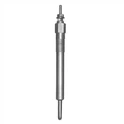
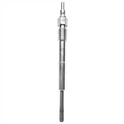
First off, let's talk about the heating element. This is the heart of the glow plug. Most of the time, we use a special type of alloy for the heating element in a 129mm glow plug. One common choice is a nickel - chromium alloy. Why this alloy? Well, it has some really cool properties. It can handle high temperatures without melting or deforming easily. When the glow plug is in use, it gets super hot to help ignite the fuel - air mixture in the engine. The nickel - chromium alloy can withstand these high - heat conditions, which means the glow plug will last longer and work more reliably.
Another important part of the 129mm glow plug is the insulator. The insulator is there to keep the electrical current where it needs to be and prevent it from short - circuiting. For the insulator, we often use ceramic materials. Ceramics are great insulators because they don't conduct electricity well. They also have good thermal stability, which means they can handle the heat generated by the heating element without breaking down. Some common ceramic materials used are alumina ceramics. Alumina has a high melting point and excellent electrical insulation properties, making it a top pick for the insulator in our 129mm glow plugs.
The outer shell of the glow plug is also made of a specific material. Usually, it's made of steel. Steel provides a strong and durable outer covering for the internal components. It can protect the heating element and the insulator from physical damage, like bumps and vibrations in the engine environment. Plus, steel is corrosion - resistant to some extent, which is important since the glow plug is exposed to various chemicals and gases in the engine.
Now, let's delve a bit deeper into the role of each material. The nickel - chromium alloy in the heating element works hard to generate heat. When an electrical current passes through it, the alloy resists the flow of electricity, and this resistance produces heat. The more current that passes through, the hotter it gets. This heat is then transferred to the tip of the glow plug, which is what ignites the fuel - air mixture in the diesel engine.
As for the ceramic insulator, it's like a silent protector. It sits around the heating element and makes sure that the electrical current flows through the heating element only and not to other parts of the engine. If there was no proper insulation, the electrical current could cause problems like short - circuits, which would not only make the glow plug stop working but could also damage other engine components.
The steel outer shell does double - duty. It not only protects the inner parts physically but also helps with heat dissipation. It spreads the heat evenly around the glow plug, preventing any one area from getting too hot and potentially causing damage.
If you're looking for different types of glow plugs, we've got a wide range. Check out our Glow Plug for Ford Pa - 304 E5tz12a342a Dg - 175 77mm 10.5v, Glow Plug for Ford B - 081 71mm 11v, and Glow Plug for Ford Pa - 305 E7tz12a342a 5614220 81mm 11v. These glow plugs are made with high - quality materials similar to our 129mm glow plugs, ensuring reliable performance.


We take pride in the quality of our glow plugs. The combination of these carefully chosen materials - the nickel - chromium alloy for heating, the ceramic for insulation, and the steel for protection - results in a product that is both durable and efficient.
If you're in the market for 129mm glow plugs or any of our other products, don't hesitate to reach out. We're more than happy to discuss your requirements and help you find the perfect fit for your engines. Whether you're an automotive repair shop, an engine manufacturer, or just someone who needs a replacement glow plug, we've got you covered.
References:
- Automotive Materials Handbook
- Engineering Principles of Diesel Engines