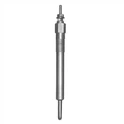
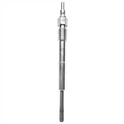
As a supplier of Isuzu glow plugs, I've encountered numerous inquiries from customers regarding the overheating issue of these essential components. Understanding whether your Isuzu glow plug is overheating is crucial for maintaining the optimal performance of your vehicle's engine. In this blog, I'll share some insights and signs to help you determine if your Isuzu glow plug is overheating.
Understanding the Function of Isuzu Glow Plugs
Before delving into the signs of overheating, it's essential to understand what Isuzu glow plugs do. Glow plugs are heating devices installed in diesel engines to aid in cold starting. In cold conditions, diesel fuel has a higher viscosity and is more challenging to ignite. Glow plugs heat up the combustion chamber, providing the necessary heat for the diesel fuel to ignite efficiently.
Isuzu glow plugs are designed to reach high temperatures quickly and maintain them for a short period during the starting process. Once the engine is running, the glow plugs usually turn off. However, several factors can cause them to overheat, leading to potential damage to the glow plugs and other engine components.
Signs of an Overheating Isuzu Glow Plug
1. Difficulty Starting the Engine
One of the first signs that your Isuzu glow plug might be overheating is difficulty starting the engine. If the glow plugs are overheating, they may become damaged, losing their ability to heat the combustion chamber effectively. As a result, the diesel fuel may not ignite properly, causing the engine to have trouble starting. You may notice that the engine cranks for an extended period before starting or fails to start altogether.


2. Engine Misfires
Overheating glow plugs can also lead to engine misfires. When a glow plug overheats, it can cause uneven heating in the combustion chamber. This uneven heating can result in incomplete combustion of the diesel fuel, leading to engine misfires. You may feel a rough idle or a loss of power while driving. Engine misfires can also cause increased fuel consumption and emissions.
3. Poor Fuel Efficiency
If your Isuzu vehicle's fuel efficiency has decreased significantly, it could be a sign of overheating glow plugs. When the glow plugs are overheating and not functioning correctly, the diesel fuel may not burn efficiently. This inefficient combustion means that more fuel is required to produce the same amount of power, resulting in poor fuel economy.
4. Excessive Smoke from the Exhaust
Another visible sign of overheating glow plugs is excessive smoke from the exhaust. Incomplete combustion caused by overheating glow plugs can lead to the production of black or white smoke. Black smoke indicates that there is too much fuel in the combustion chamber, while white smoke may suggest that the fuel is not burning properly due to insufficient heat.
5. Burning Smell
If you notice a burning smell coming from the engine compartment, it could be a sign that the glow plugs are overheating. The high temperatures can cause the insulation around the glow plugs to melt or burn, producing a distinct burning odor. This is a serious issue that requires immediate attention to prevent further damage.
Causes of Isuzu Glow Plug Overheating
1. Electrical Issues
Electrical problems are one of the most common causes of glow plug overheating. A faulty relay, short circuit, or incorrect wiring can cause too much current to flow through the glow plugs, leading to overheating. It's essential to have the electrical system of your Isuzu vehicle regularly inspected to prevent such issues.
2. Incorrect Glow Plug Selection
Using the wrong type of glow plug for your Isuzu engine can also cause overheating. Different Isuzu engines require specific glow plugs with the right specifications, such as voltage, length, and heat rating. Installing glow plugs that are not compatible with your engine can result in overheating and premature failure.
3. Prolonged Glow Plug Operation
In some cases, the glow plugs may continue to operate even after the engine has started, leading to overheating. This can be caused by a malfunctioning glow plug control module or a faulty timer. The control module is responsible for regulating the operation of the glow plugs, and if it fails, the glow plugs may stay on for too long.
How to Prevent Isuzu Glow Plug Overheating
1. Regular Maintenance
Regular maintenance is crucial for preventing glow plug overheating. Have your Isuzu vehicle's electrical system, including the glow plug control module and wiring, inspected during routine maintenance. Replace the glow plugs at the recommended intervals to ensure they are in good working condition.
2. Use the Correct Glow Plugs
Always use the correct type of glow plugs for your Isuzu engine. Refer to your vehicle's owner's manual or consult with a professional mechanic to determine the appropriate glow plug specifications. At our store, we offer a wide range of Glow Plug for Isuzu 8-97043744-0 8-94387612-1 8-97044037-0 Pi-59 84mm 11v, Glow Plug for Isuzu Cp-bst-063-11v, and Glow Plug for Isuzu 5-81410056-3 5-81410058-3 Pi-48 95mm 24v to ensure compatibility with your engine.
3. Avoid Overloading the Electrical System
Overloading the electrical system can put additional stress on the glow plugs, increasing the risk of overheating. Avoid using excessive electrical accessories while starting the engine, such as high-powered lights or audio systems. This can help prevent overheating and extend the lifespan of your glow plugs.
Conclusion
In conclusion, being able to recognize the signs of overheating Isuzu glow plugs is essential for maintaining the health of your vehicle's engine. If you notice any of the signs mentioned above, it's crucial to have your glow plugs inspected and replaced if necessary. At our company, we are committed to providing high-quality Isuzu glow plugs and excellent customer service. If you have any questions or need assistance with your Isuzu glow plugs, please feel free to contact us for further discussion and potential procurement.
References
- "Diesel Engine Systems" by Bosch Automotive Handbook
- "Automotive Technology: A Systems Approach" by James D. Halderman