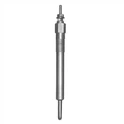
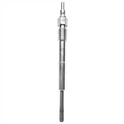
Hey there, folks! As a long - time supplier of Toyota Glow Plugs, I've seen my fair share of glow plug failures. It's a topic that's super important for both us suppliers and you Toyota owners out there. So, let's dig into what causes Toyota glow plugs to fail.
1. Normal Wear and Tear
First off, just like any other part in your car, glow plugs experience normal wear and tear over time. These little guys are constantly exposed to high temperatures and electrical currents every time you start your engine. Think about it - every cold morning when you turn the key, the glow plugs heat up to help the engine start smoothly.
The heating element inside the glow plug is usually made of a special alloy. With repeated heating and cooling cycles, this alloy can start to break down. Cracks may form, and the electrical resistance can change. When this happens, the glow plug won't heat up as effectively as it should, and eventually, it'll fail. It's kind of like an old light bulb that just burns out after so many uses.
2. Poor Fuel Quality
Another big culprit is poor fuel quality. You might not think that what you put in your gas tank has much to do with the glow plugs, but it actually does. Low - quality fuel often contains impurities like dirt, water, and sulfur. When these impurities reach the combustion chamber, they can coat the glow plugs.
The dirt and debris can insulate the glow plug, preventing it from reaching the right temperature. Water in the fuel can cause corrosion on the surface of the glow plug. And sulfur can react with the materials in the glow plug, leading to chemical damage. For example, if you're in an area where the fuel standards aren't very strict, or if you accidentally fill up at a sketchy gas station, you could be putting your glow plugs at risk.
3. Overheating
Overheating is a major issue for glow plugs. This can happen for a few reasons. One common cause is a malfunctioning engine control unit (ECU). The ECU is supposed to regulate the amount of time the glow plugs are powered on. If the ECU malfunctions, it might keep the glow plugs on for too long, causing them to overheat.
Also, problems with the engine's cooling system can contribute to overheating. If the engine is running too hot overall, the glow plugs will be exposed to even higher temperatures than they're designed for. And when they get too hot, the internal components can melt or warp. Once that happens, the glow plug is pretty much done for.
4. Electrical Issues
Electrical problems can also lead to glow plug failure. The glow plugs rely on a steady electrical supply to heat up. If there's an issue with the wiring, such as a loose connection or a short circuit, the glow plug might not receive the right amount of power.
A loose connection can cause intermittent power, which means the glow plug won't heat up consistently. This can lead to uneven heating and eventually damage the heating element. And a short circuit can send too much current through the glow plug, causing it to burn out instantly. It's like trying to plug in a small appliance into a high - voltage socket - it's just not going to end well.
5. Incorrect Installation
You might be surprised to learn that incorrect installation can cause glow plugs to fail. If the glow plug isn't installed properly, it won't make good contact with the engine block. This can lead to poor heat transfer and uneven heating.
For example, if the glow plug isn't tightened to the correct torque, it might vibrate loose over time. This vibration can damage the internal components of the glow plug. Also, if the gasket isn't installed correctly, it can allow combustion gases to leak around the glow plug, which can cause corrosion and overheating.
How to Spot a Failing Glow Plug
Now that we know what causes glow plug failure, how can you tell if your glow plugs are going bad? One of the most obvious signs is hard starting, especially in cold weather. If your engine takes longer to start than usual, or if it sputters and stalls when you try to start it, the glow plugs could be the problem.
You might also notice a decrease in engine performance. The engine might feel sluggish, and you could experience a loss of power. Another sign is black smoke coming from the exhaust. This could mean that the fuel isn't burning properly because the glow plugs aren't doing their job.
Our Toyota Glow Plug Solutions
At our place, we offer a range of high - quality Toyota glow plugs. We've got options like the Glow Plug for Toyota Pt - 93 19850 - 56020 101mm 8v, Glow Plug for Toyota Pt - 104 19850 - 68030 101mm 8.5v, and Glow Plug for Toyota Pt - 108 19850 - 68020 101mm 23v. These glow plugs are designed to meet or exceed the original equipment manufacturer (OEM) specifications.
We use high - quality materials in our glow plugs to ensure long - lasting performance. Our manufacturing process is top - notch, and we test each glow plug to make sure it works perfectly before it leaves our facility. Whether you're a professional mechanic or a DIY car enthusiast, our glow plugs are a great choice to keep your Toyota running smoothly.


Contact Us for Procurement
If you're in the market for new Toyota glow plugs, or if you have any questions about glow plug failure or our products, don't hesitate to get in touch. We're here to help you find the right glow plugs for your Toyota and make sure you get the best value for your money. We can provide you with more information about our products, offer technical support, and assist you with the procurement process. Just reach out to us, and we'll take it from there.
References
- Automotive Engineering Handbook.
- Toyota Engine Service Manuals.
- Industry research on glow plug performance and failure analysis.